The Terrace Had Incredible Views. It Was Also Outside The Registered Property.
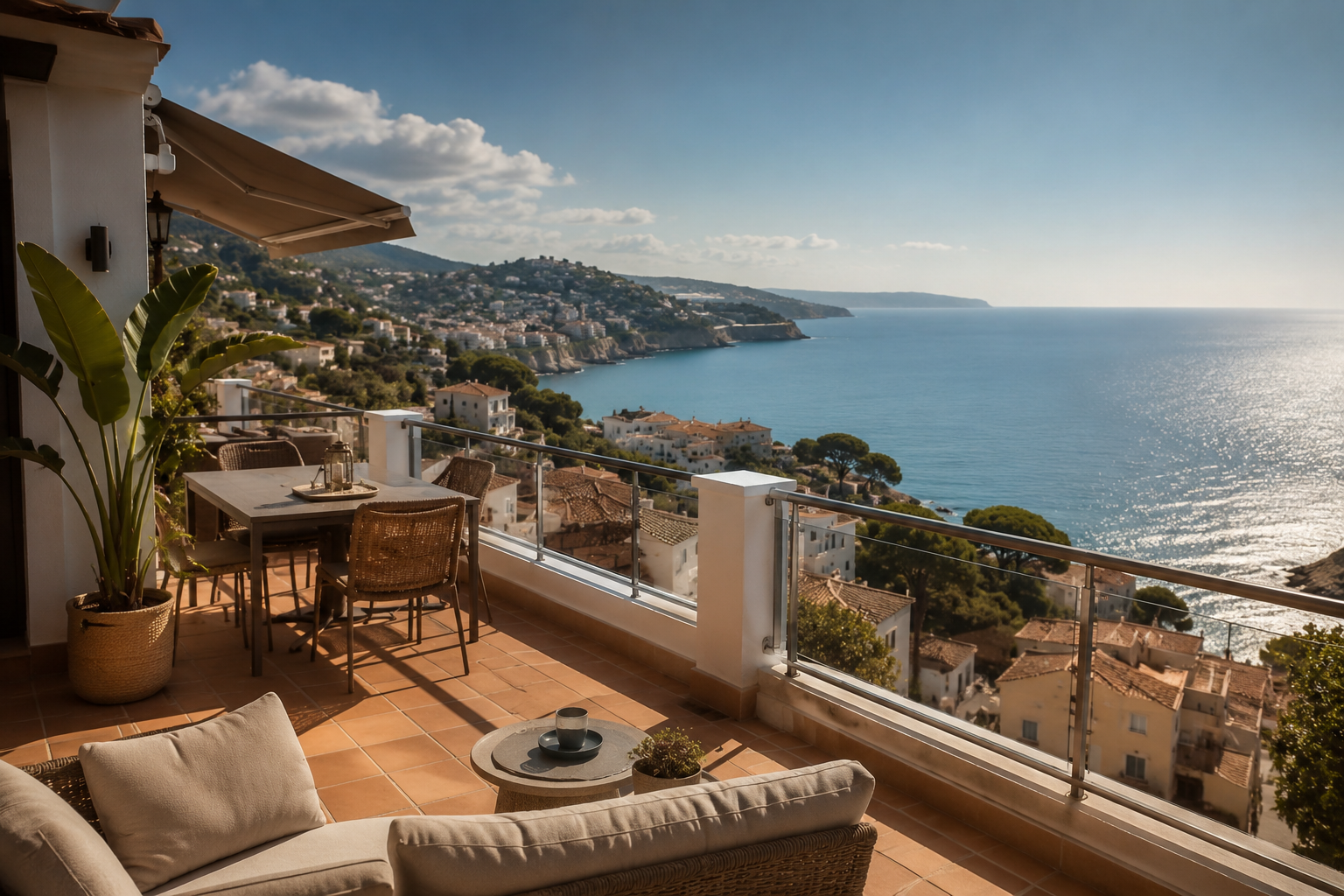
A buyer contacted Terraveris Group regarding the purchase of a high-end coastal apartment in Spain marketed as fully renovated and move-in ready.
The property stood out immediately.
Large outdoor terrace.
Panoramic sea views.
Designer interiors.
And premium pricing justified by the apartment’s exceptional exterior living space.
The terrace became one of the key emotional selling points during the viewing process.
It was where the buyer imagined spending most of their time.
But deeper due diligence revealed a major issue hidden behind the presentation of the property.
The Assumption Many Buyers Make
One of the most common assumptions in apartment purchases is believing that everything physically connected to a property automatically belongs to it legally.
In Spain, this is not always true.
Terraces, rooftop areas, storage rooms, parking spaces, annexes, and even portions of interior spaces may sometimes be:
• privately owned,
• community-owned,
• assigned for exclusive use only,
• or not properly reflected in official documentation.
Many buyers never verify this distinction properly because the property is marketed visually rather than legally.
What The Investigation Revealed
During the review process, inconsistencies began to emerge between the apartment’s marketed configuration and the information reflected in registry and community documentation.
The terrace — one of the property’s most valuable features — appeared to have a far more complex legal status than initially presented.
Further analysis raised concerns regarding:
• ownership versus usage rights,
• community property boundaries,
• responsibility for maintenance,
• and potential future limitations affecting modifications or exclusive use.
Importantly, none of this was obvious during the viewing process.
From a buyer’s perspective, the terrace simply appeared to be part of the apartment.
Why This Matters
In Spain, misunderstandings involving terraces and common elements are far more common than many foreign buyers realize.
These situations can later create disputes involving:
• neighbors or community associations,
• resale negotiations,
• insurance matters,
• renovation permissions,
• or future legal interpretation of usage rights.
And because outdoor space carries enormous emotional and financial value in Mediterranean properties, these misunderstandings can become especially expensive.
The Value Of Independent Due Diligence
This case was not about hidden structural damage or illegal construction.
It was about legal interpretation and property boundaries.
The difference between what buyers emotionally perceive as “part of the property” — and what official documentation may actually support.
Because in real estate, some of the biggest risks are created not by what is hidden…
…but by what everyone casually assumes belongs there.
Terraveris Group provides independent property due diligence and risk analysis for buyers, investors, and developers evaluating real estate opportunities throughout Spain.
Our work helps clients identify hidden risks, documentation inconsistencies, planning concerns, and ownership complexities before major financial decisions are made.