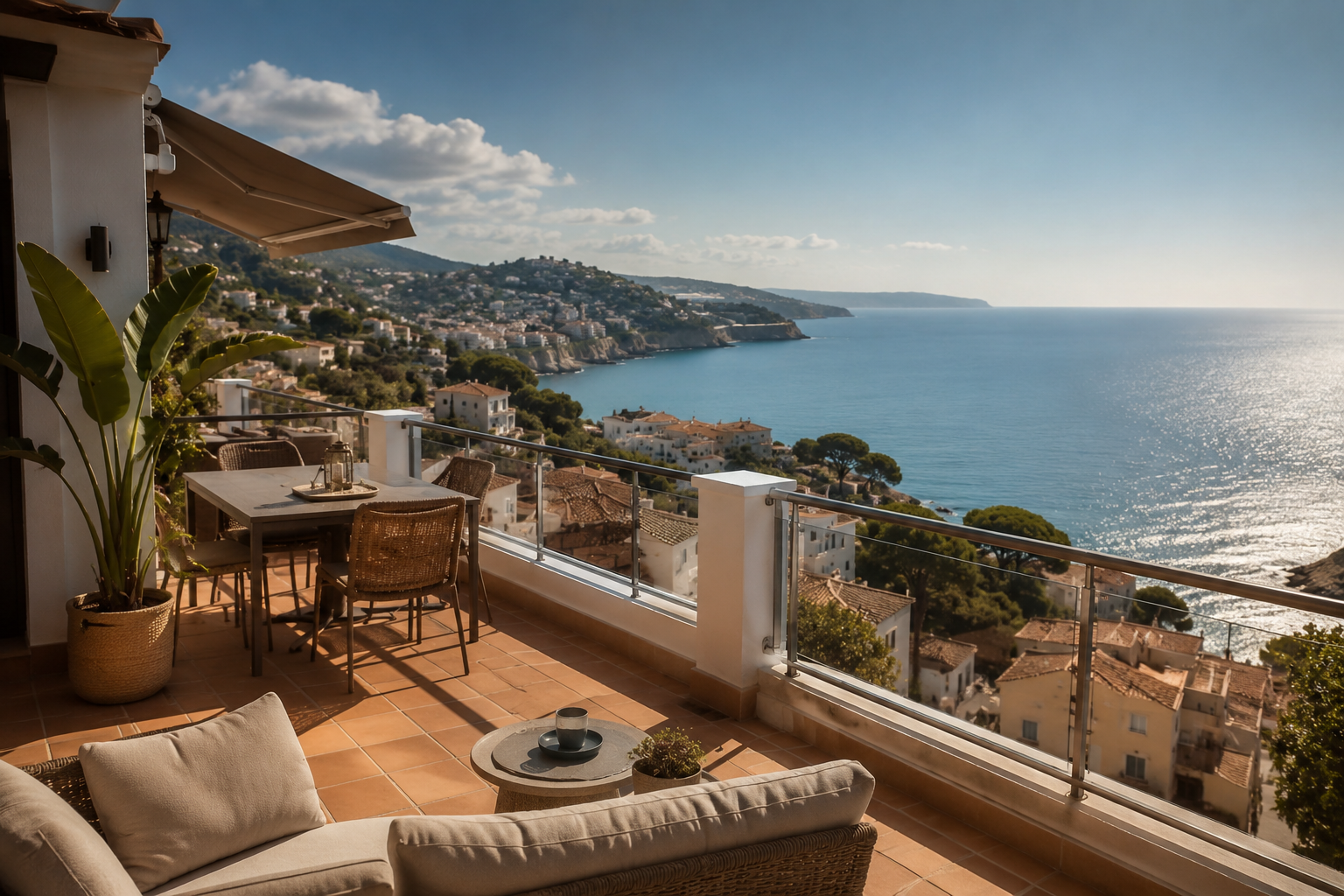
The Terrace Had Incredible Views. It Was Also Outside The Registered Property.
The apartment looked exceptional: panoramic sea views, designer interiors, and a stunning outdoor terrace that became the emotional centerpiece of the purchase. But deeper due diligence revealed that one of the property’s most valuable features carried a far more complex legal and ownership reality beneath the surface.
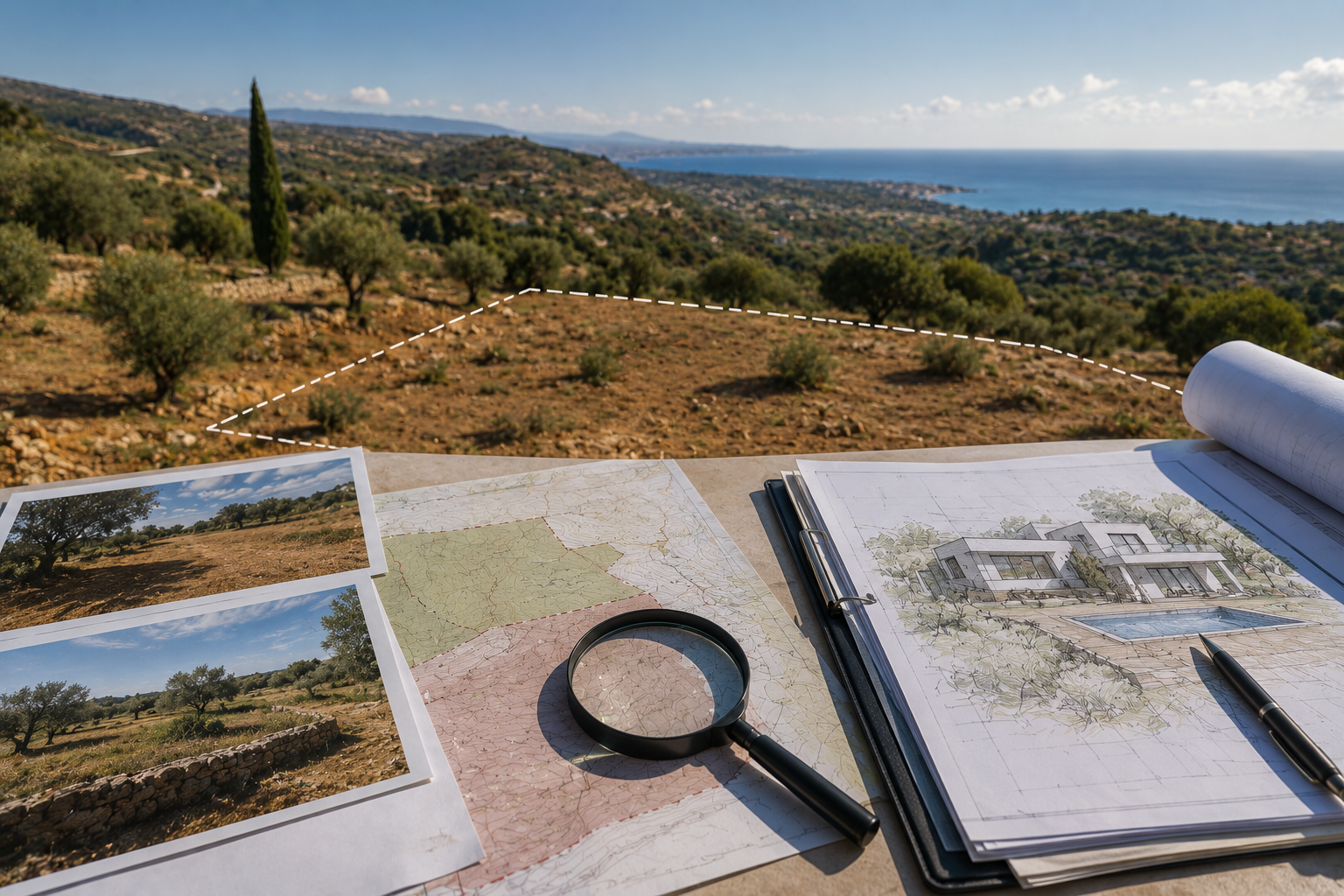
The Land Looked Rural. The Restrictions Were Much Bigger.
A buyer believed they had found the ideal rural parcel to build a luxury countryside villa in Spain. However, deeper due diligence revealed that the land’s planning reality was far more restrictive than the marketing presentation initially suggested. This case study explores how development assumptions, planning limitations, and municipal restrictions can materially affect rural land investments.
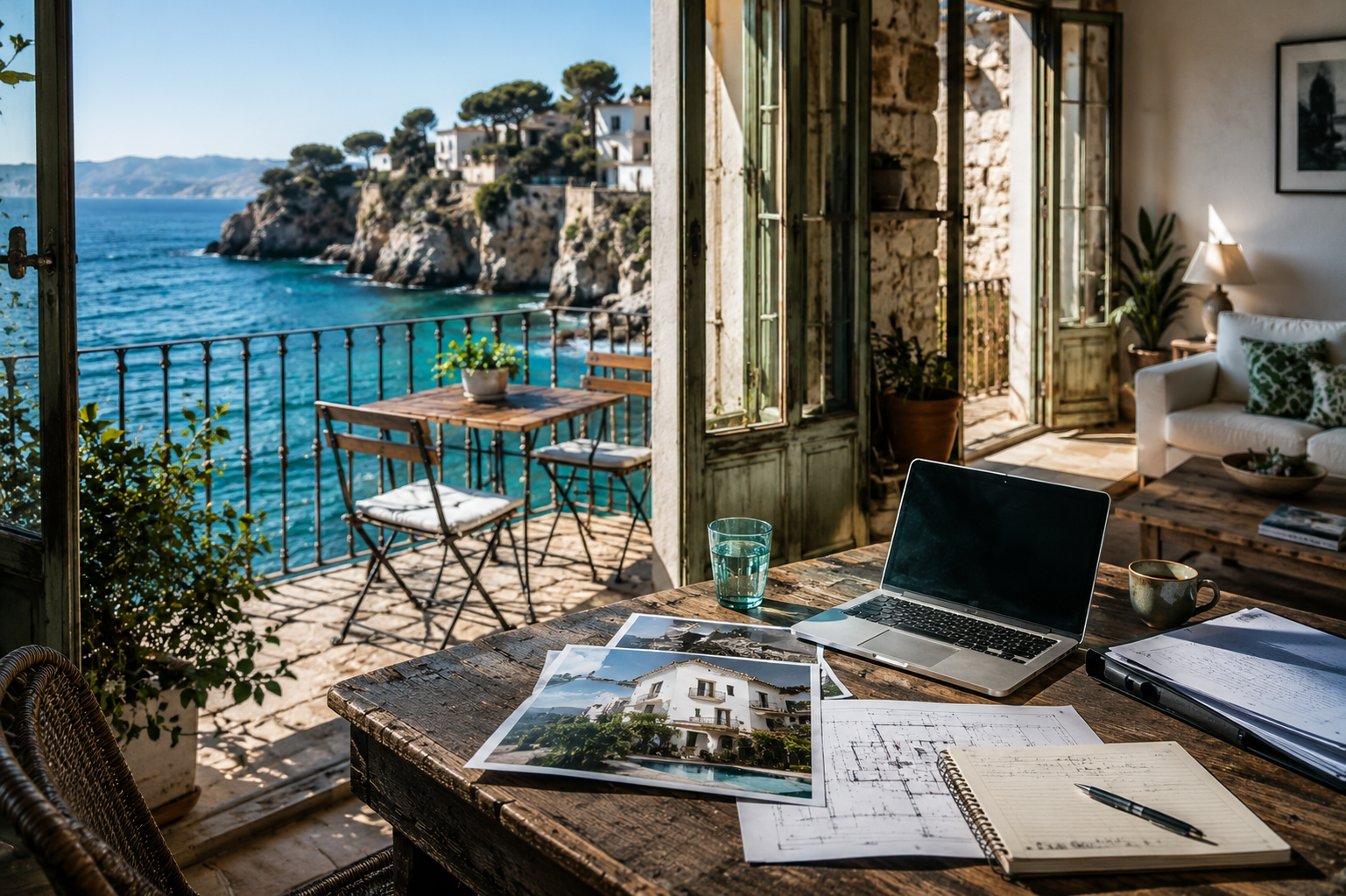
The Property Had a Tourist License. The Investment Analysis Was Far Less Straightforward.
The property looked like a perfect lifestyle investment with strong short-term rental income and established tourist activity. But deeper due diligence revealed that long-term investment stability depends on far more than headline revenue figures. Operational complexity, market dynamics, and regulatory exposure significantly changed the true risk profile behind the acquisition.
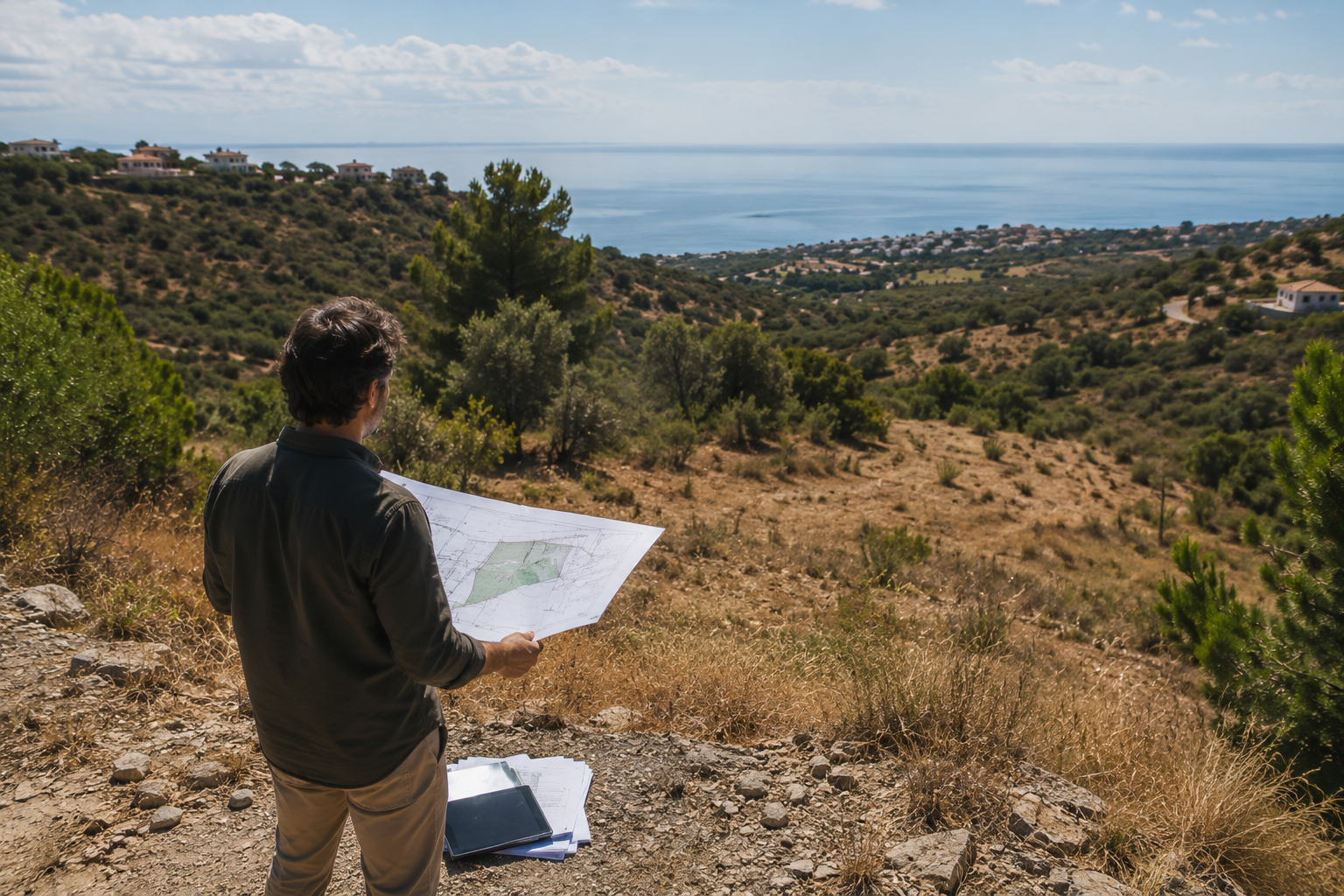
The Property Was Advertised as “Ready to Build.” The Planning Reality Was More Restrictive.
The parcel was marketed as an excellent development opportunity with strong future upside. But deeper due diligence revealed that theoretical development potential and practical planning reality are not always the same thing. Hidden planning limitations and urban constraints significantly changed the investment profile behind the land acquisition.
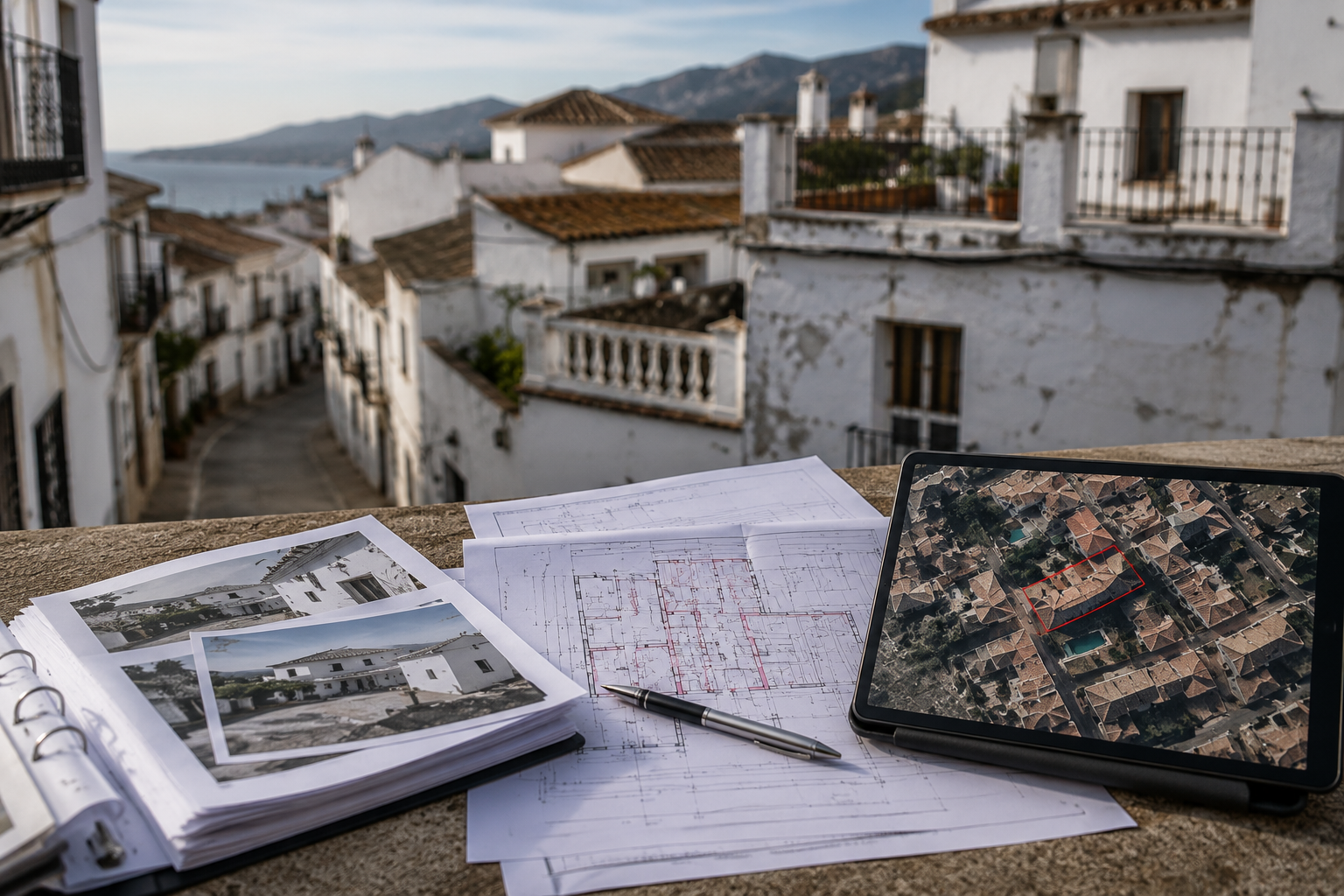
The Property Was Marketed as “Move-In Ready.” The Urban Situation Was Far Less Clear.
The property looked modern, professionally renovated, and fully investment-ready. But deeper due diligence revealed that visible quality and administrative clarity are not always the same thing in Spanish real estate. Beneath the renovation, important urban and documentation inconsistencies significantly changed the complexity profile of the investment.
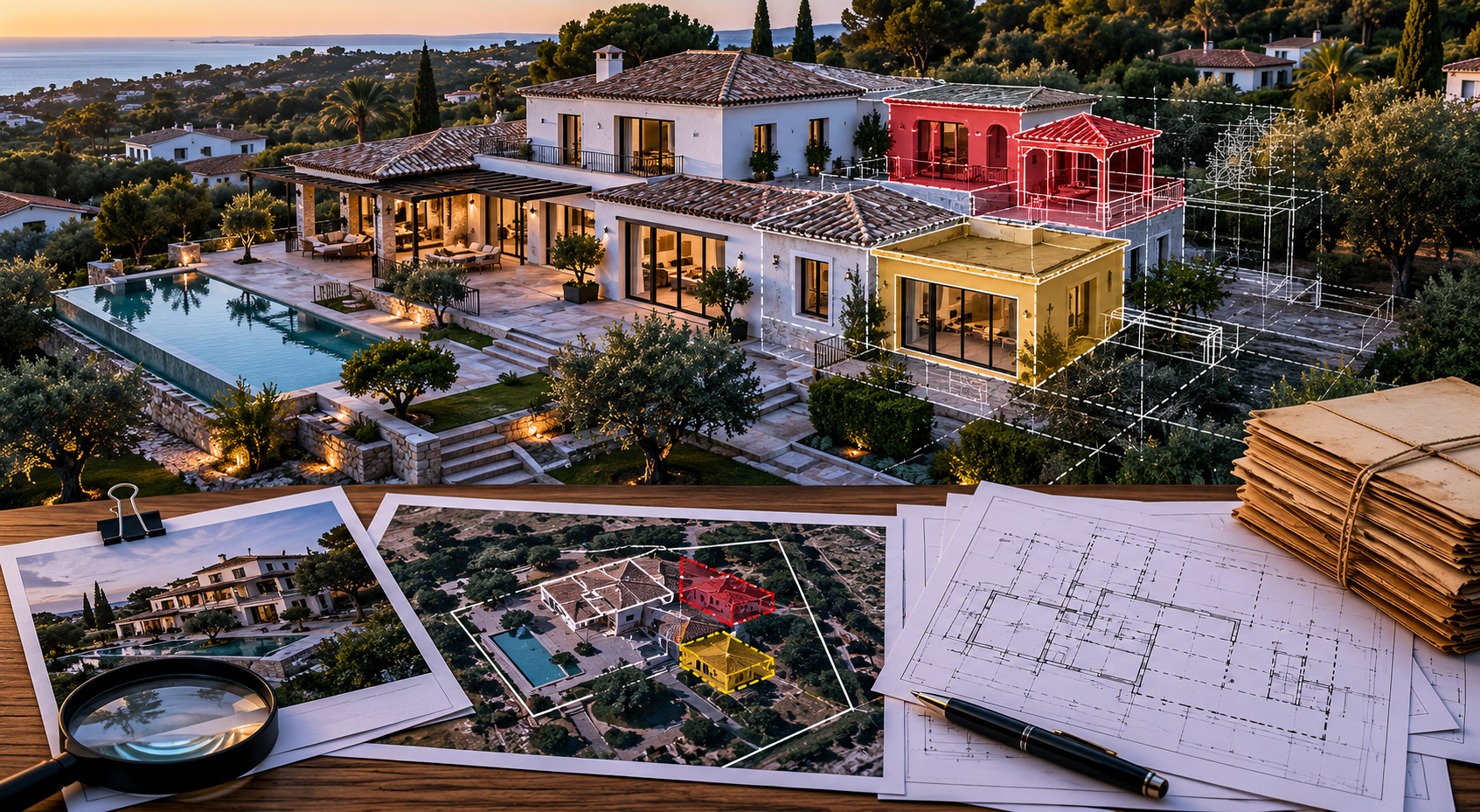
The Renovation Looked Excellent. The Property History Was More Complex.
The renovation looked professional, coherent, and investment-ready. But deeper due diligence revealed a far more complex historical profile behind the property. In Spain, many important real estate risks are not visible in the present condition of a home — they are hidden within the property’s historical evolution over time.
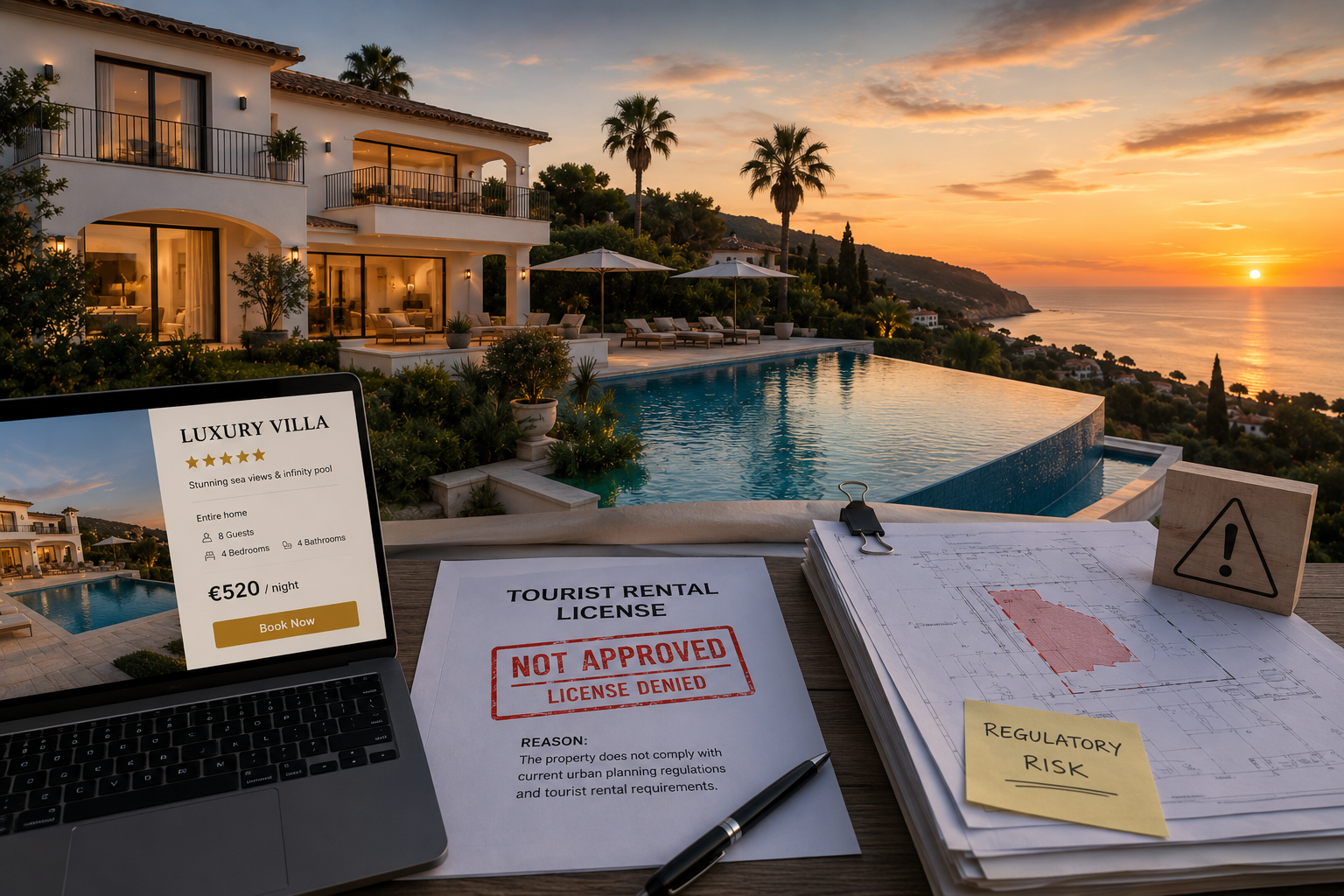
The Pool Was Beautiful. The License Was The Problem.
The villa had everything investors wanted: sea views, an infinity pool, strong rental income, and an established tourist rental history. But deeper due diligence revealed that operating successfully today does not always guarantee long-term licensing security tomorrow. In Spain’s evolving short-term rental market, assumptions around tourist licenses can become extremely expensive.
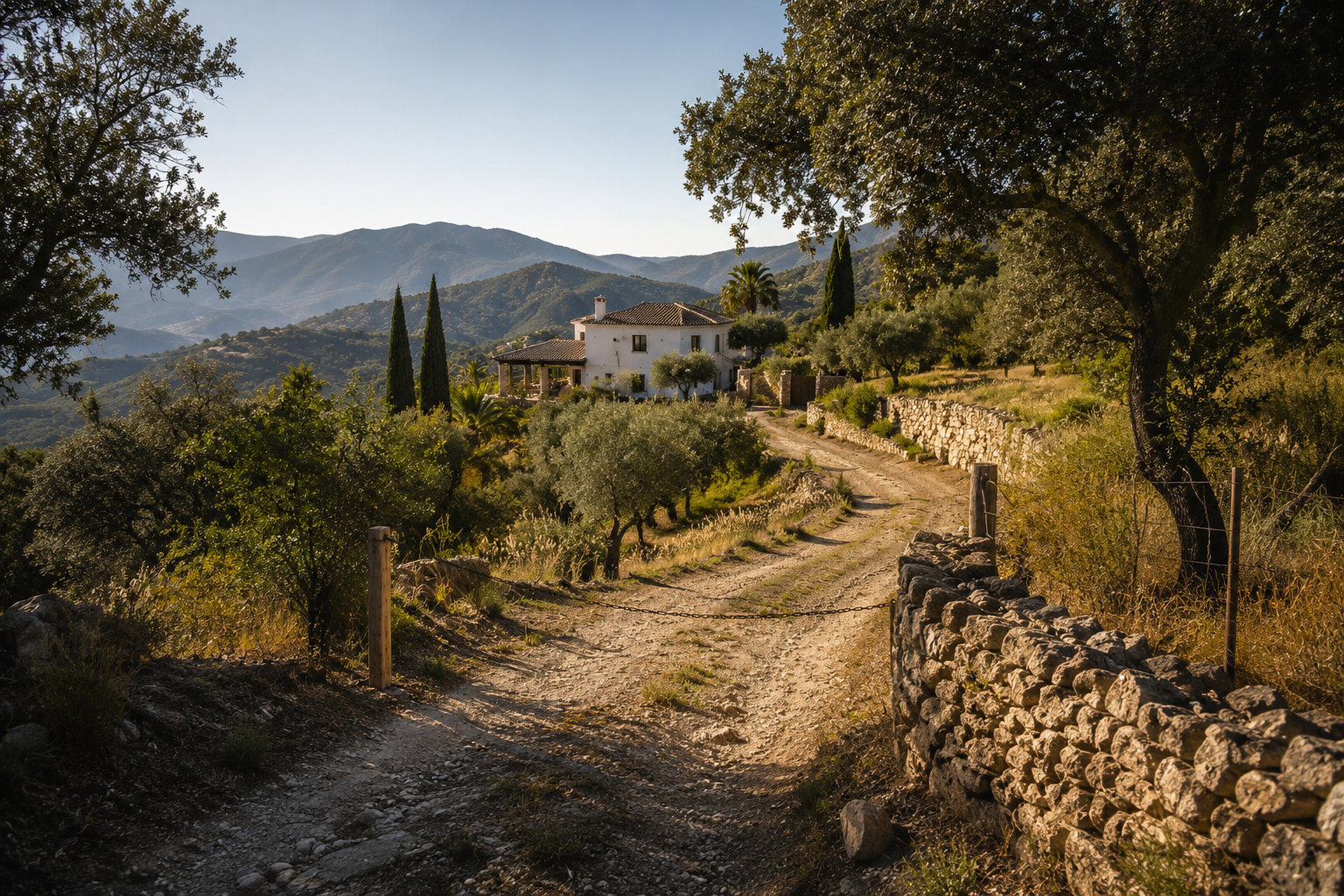
The Property Looked Perfect. The Infrastructure Required a Much Closer Look.
The finca looked exceptional: privacy, views, tranquility, and strong visual appeal. But deeper due diligence revealed that some of the most important risks had nothing to do with the house itself. Infrastructure arrangements, utility routing, access realities, and neighboring dependencies significantly changed the long-term complexity of the investment. In rural Spanish real estate, what buyers don’t immediately see often matters most.
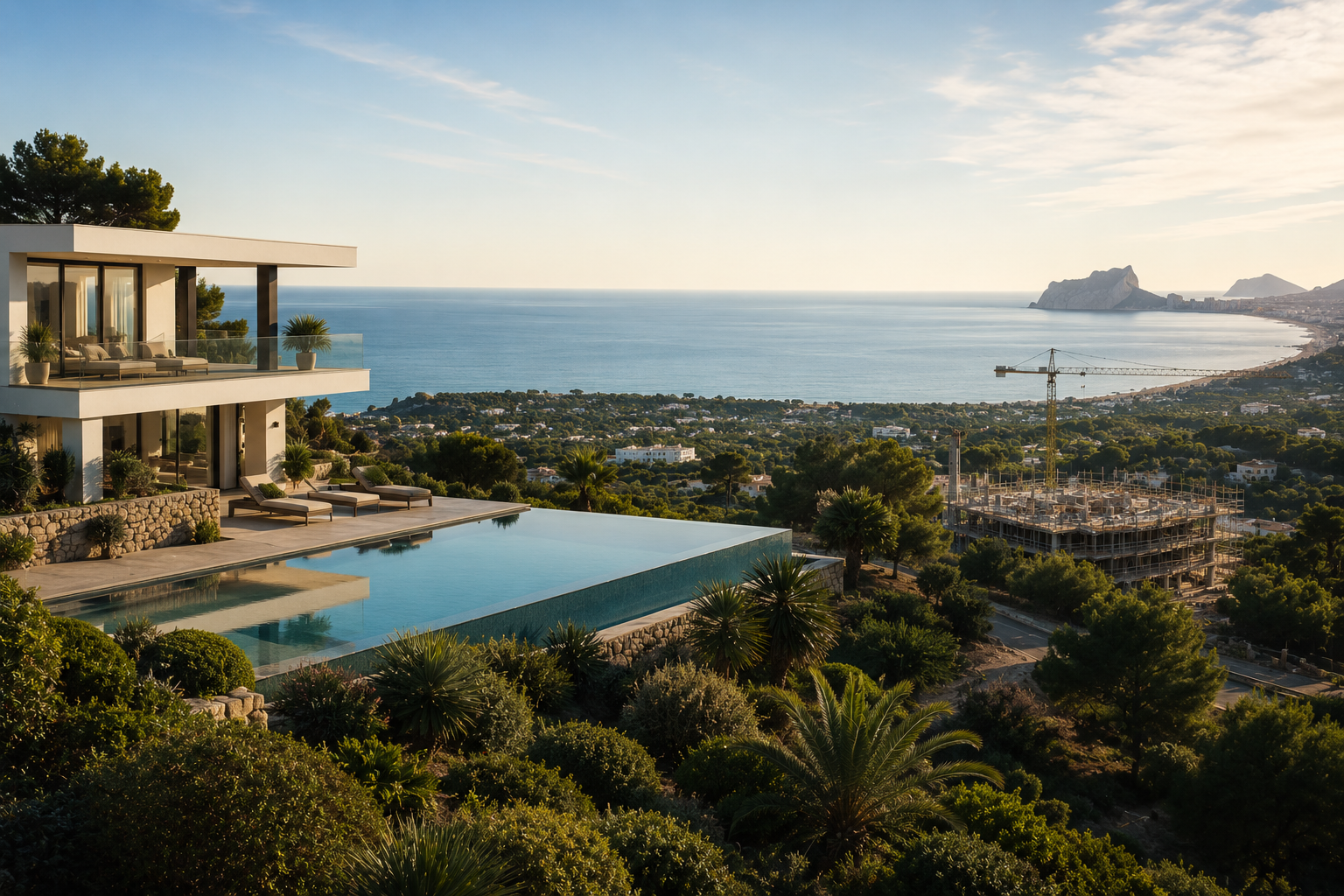
The Views Were Protected. Until They Weren’t.
A luxury villa in Spain appeared to offer permanently protected views and privacy. However, deeper planning analysis revealed neighboring parcels with future development potential that could significantly affect the long-term investment.

The Property Had No Debt. The Buyer Still Inherited a Problem.
The property appeared financially clean with no mortgage or visible debt. However, deeper due diligence revealed hidden administrative exposure and potential future ownership liabilities that could significantly affect the investment.
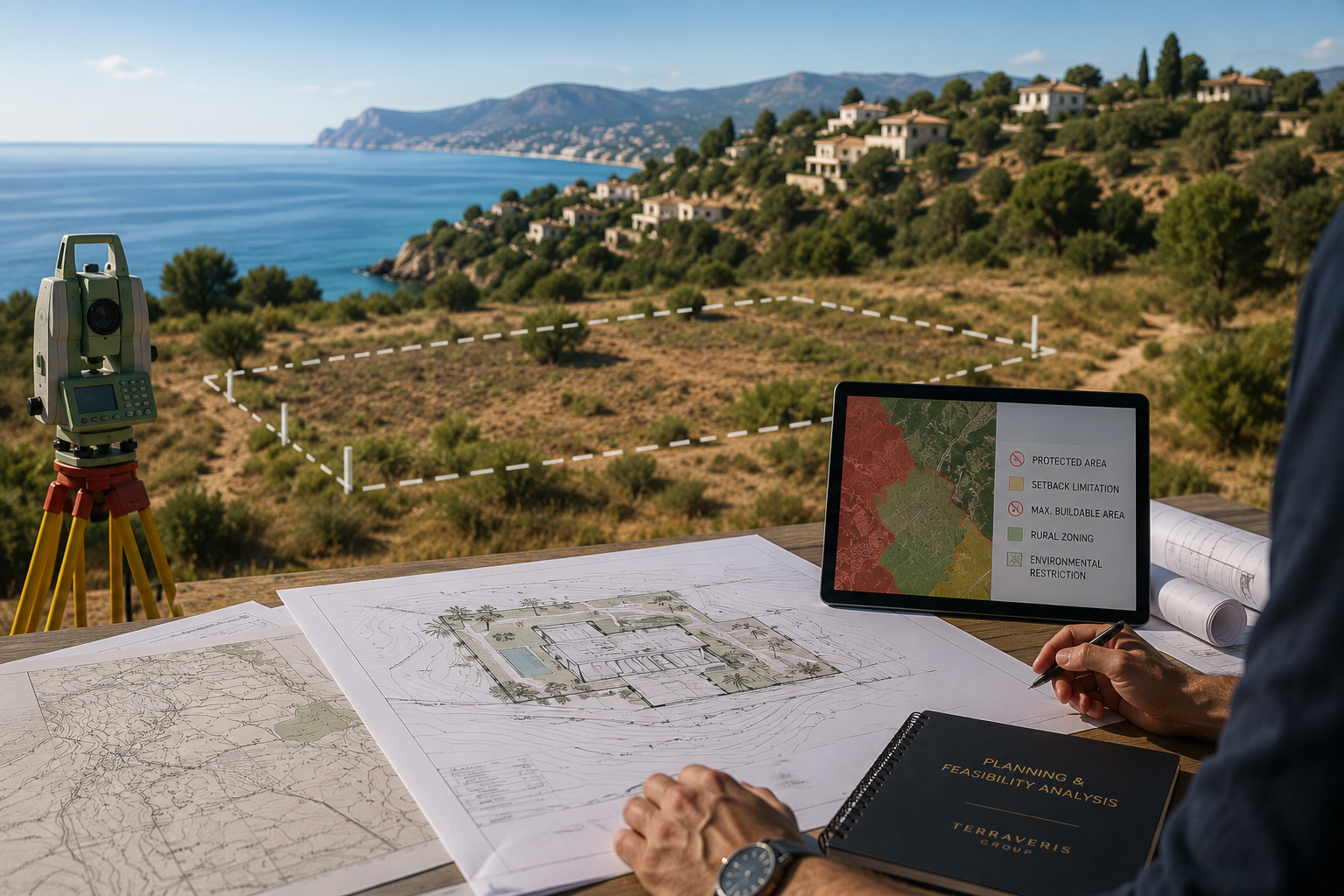
The Plot Was for Sale. That Didn’t Mean It Could Be Built.
The land looked fully buildable — until planning analysis revealed restrictions that fundamentally changed the project’s feasibility.

The Property Was Legal. The Rental Business Was Not.
The property itself was fully legal — but the intended rental business was not. This case study shows how tourist rental restrictions in Spain can dramatically affect property investments.
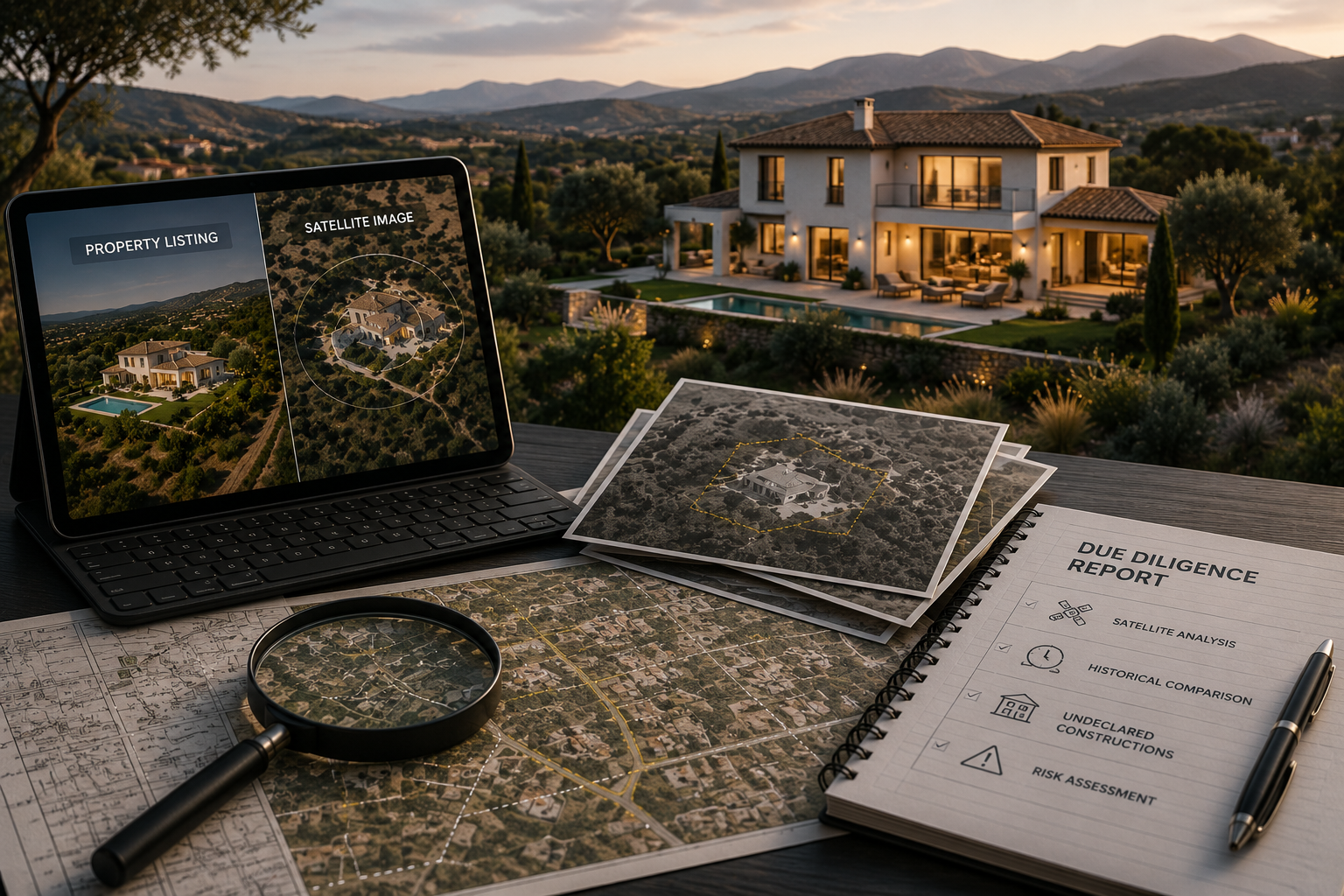
When Satellite Imagery Reveals More Than the Listing
A Mallorca property due diligence case study showing how historical satellite imagery can reveal undeclared pools, exterior modifications, and potential legal inconsistencies before acquisition.
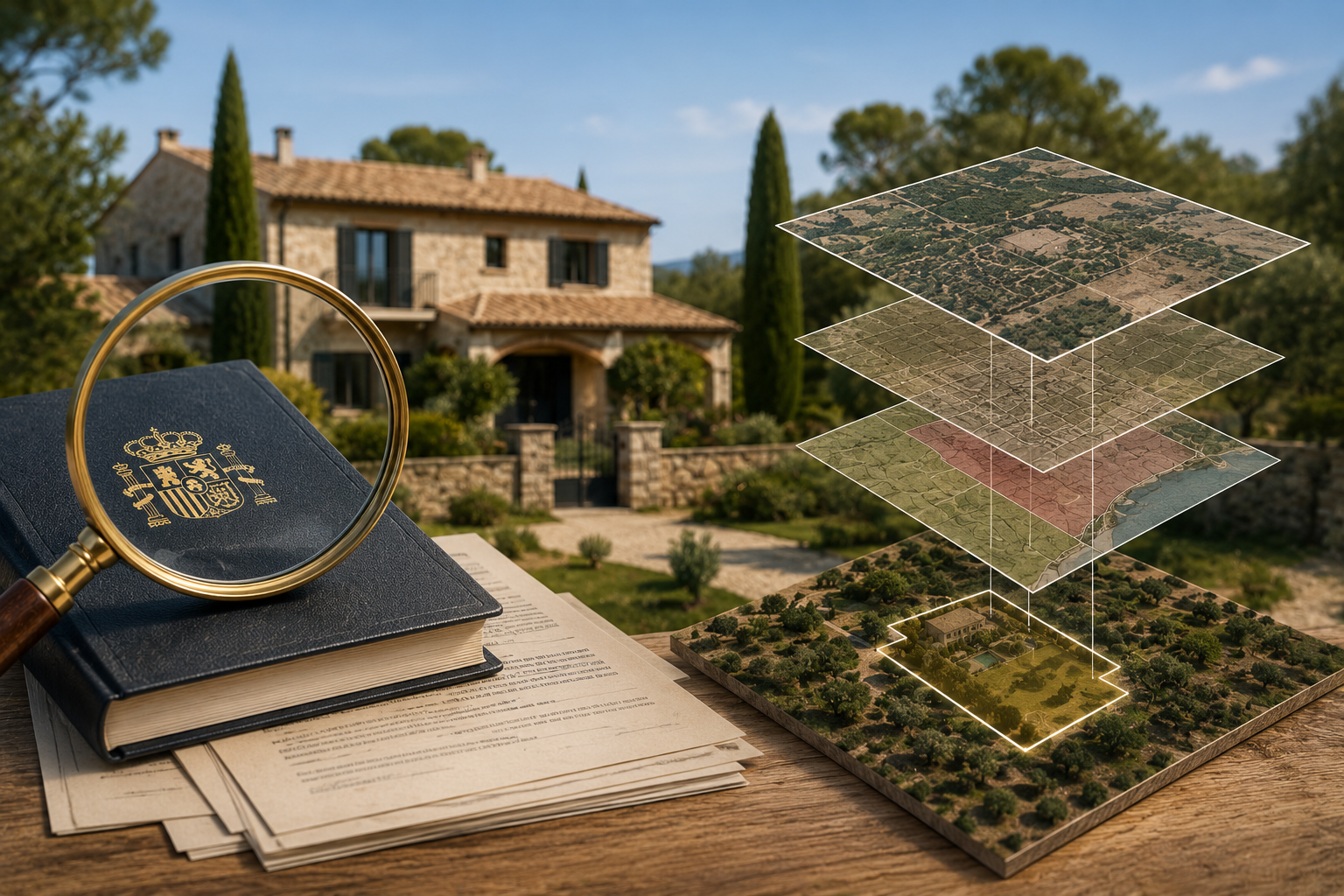
Why Registry Records Alone Are Not Enough in Spain
A luxury rural estate in Mallorca appeared fully consolidated at first glance — until historical satellite imagery revealed major changes over time. This case study shows how pools, landscaping, and exterior works can create hidden legal and planning risks that are not always visible in listings or documentation.
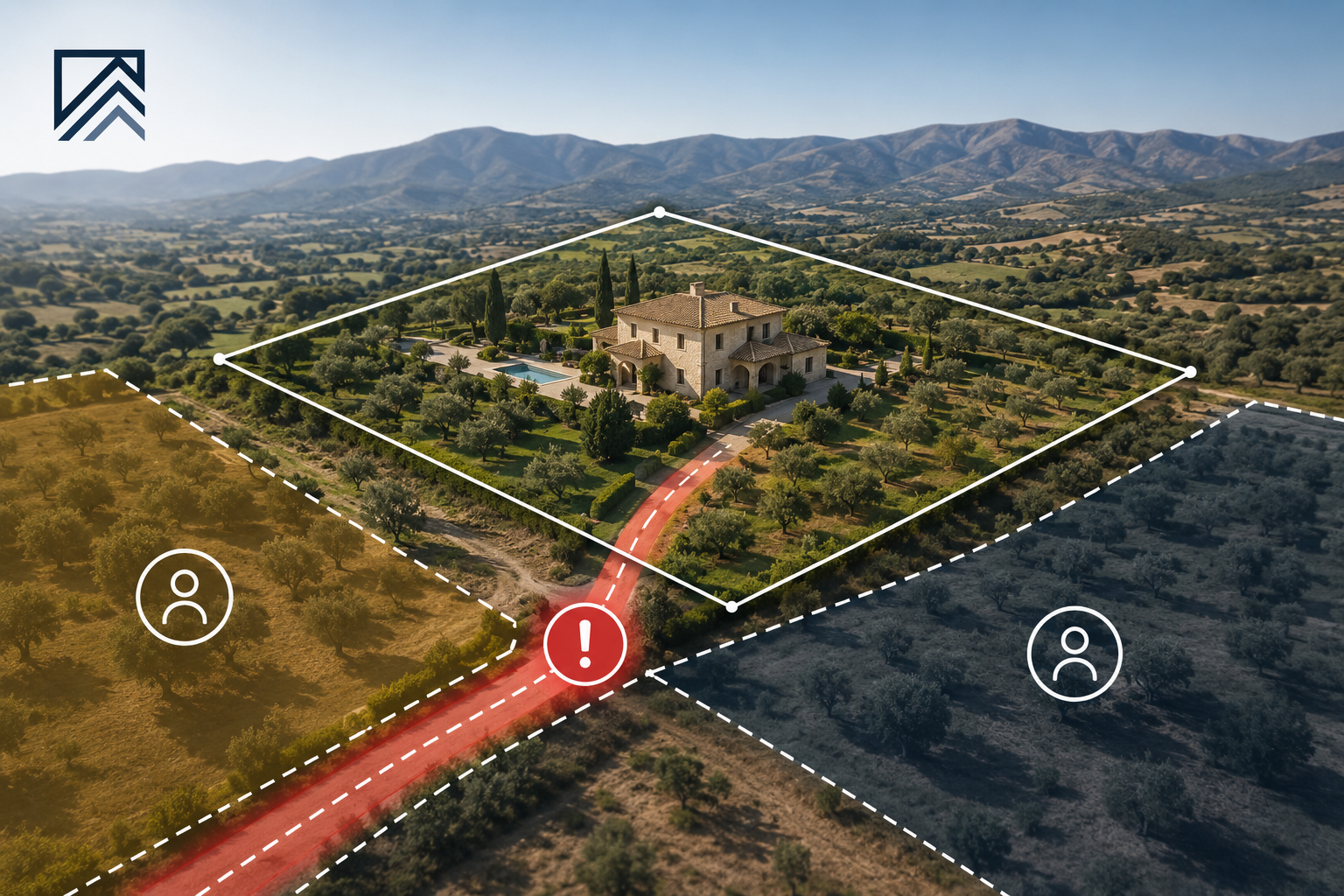
When the Property Is Legal — But the Access Isn’t
The house was registered. The pool was declared. The documentation appeared clean. But one overlooked issue created a major hidden risk: the access road itself. This case study shows how legal access rights can become one of the most critical issues in rural Spanish property acquisitions.

Why the Square Meters in Spain Don’t Always Match
A luxury apartment in Madrid appeared fully renovated and properly documented — until a deeper review revealed major discrepancies between the advertised size, registry records, and cadastral data.